


Advertising is getting harder and more expensive. Audiences have learned to ignore ads, skip them, and block them. But there is one channel where attention is still real and trust still matters: content creators. When a streamer plays a game live, their audience watches, believes, and follows. The panda master online game marketing ecosystem is built for this reality, helping distributors recruit players through the creator economy. This guide explains how streamer and influencer partnerships work and why they are the highest-trust acquisition channel available in 2026.
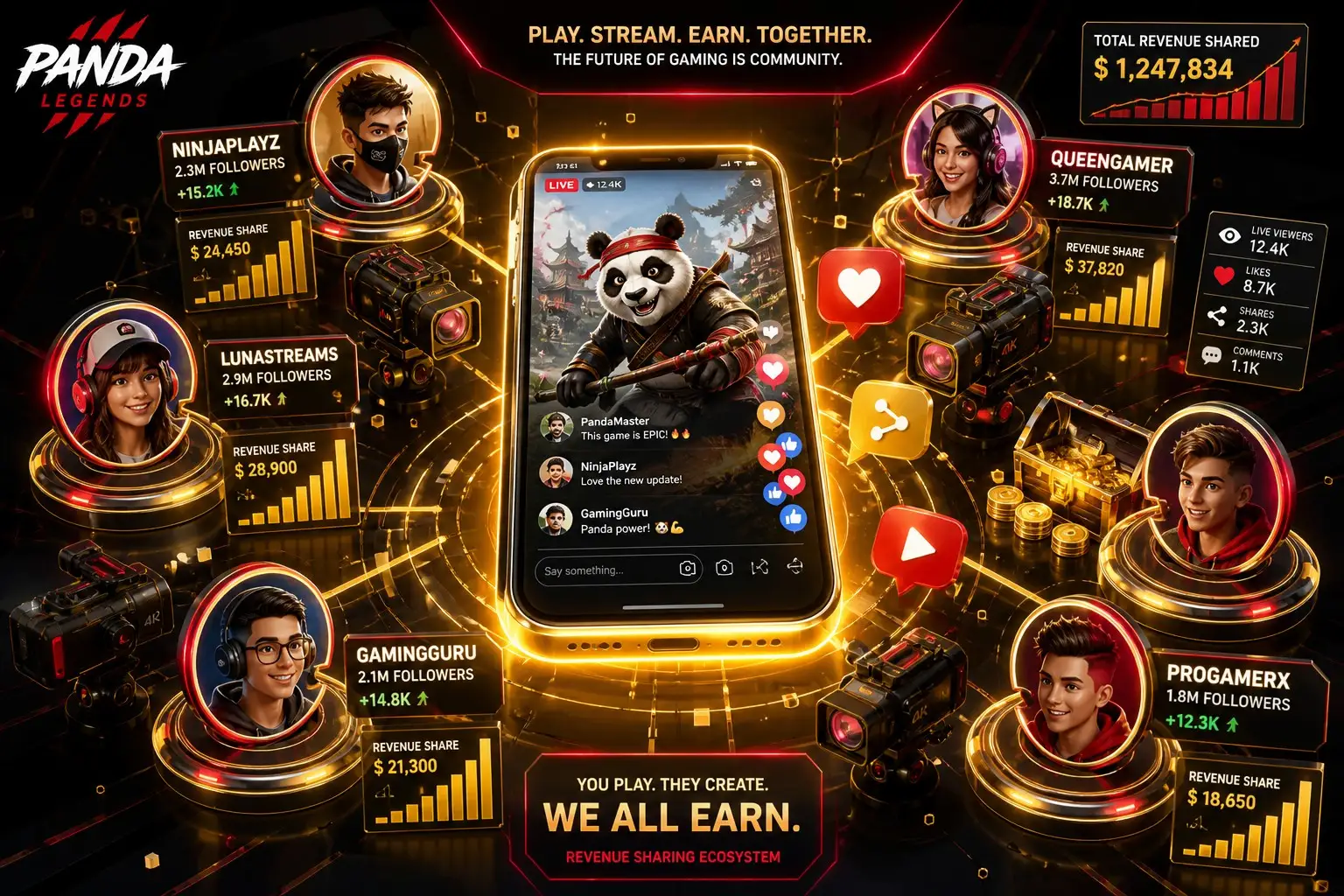
Why Creator Marketing Beats Traditional Advertising
The fundamental difference is trust. A paid ad is self-interest; a creator’s recommendation is perceived as authenticity. When a streamer plays a fish table game for their audience, they are not just showing a product—they are demonstrating it live, answering questions in chat, and sharing genuine reactions. This is the most powerful acquisition format that exists: peer recommendation at scale.
- Engaged audiences: Viewers are actively watching, not passively scrolling past an ad.
- Demonstrated product: The game is shown in action, not described.
- Built-in trust: The creator’s credibility transfers to what they play.
- Reach into niches: Creators connect you to specific communities you could not target efficiently with ads.
The Panda Master Influencer Ecosystem
When distributors want to grow their panda master player base, the platform provides the structure for creator partnerships:
1. Creator-Ready Content and Tools
The ecosystem provides creators with what they need to produce quality content: branded visuals, game access for streaming, and promotional assets. This lowers the barrier for creators to feature your network and raises the production quality of what they produce.
2. Structured Partnership Terms
Successful creator programs are structured, not improvised. The platform supports clear partnership terms: what the creator provides, what they earn, and how performance is tracked. Clarity protects both sides and builds durable relationships rather than one-off promotions.
3. Tracking and Attribution
A creator partnership without tracking is a donation. The ecosystem supports unique referral tracking, so you know exactly which creator brought which players. This attribution turns influencer marketing from a gamble into a measurable channel you can scale.
Building Your Creator Program: The Playbook
- Start with micro-creators: Creators with 5,000-50,000 engaged followers in the gaming niche often convert better than larger, less targeted accounts.
- Define the offer: Clear compensation, whether fixed, performance-based, or a player-referral split.
- Equip them: Provide streaming access, branded assets, and a simple referral link.
- Let them be authentic: Do not over-script creators; their authenticity is the value.
- Measure and scale: Track conversions per creator, double down on winners, and iterate the program.
The Economics of Creator Acquisition
Creator marketing is cost-efficient because the economics scale. A successful creator brings an engaged audience that converts at meaningful rates, and each converted player becomes a potential promoter themselves. Compared to paid ads, the cost per acquired player through creators is often lower and the retention higher, because players who join through trusted recommendations stay longer. The channel compounds: successful creators attract more creators, and the audience grows.
Compliance in Creator Marketing
Creator partnerships carry the same compliance responsibilities as any promotion. The program supports compliant practices: clear disclosure of sponsored content, appropriate framing of the game, and responsible messaging. Distributors who run clean creator programs build durable accounts and reputations, while those who push aggressive tactics risk both.
Case Pattern: The Micro-Creator Network That Built a Player Base
The creator economy’s practical value is visible in the case of a distributor who built a substantial player base through micro-creators rather than large influencers. The distributor’s initial assumption was that bigger creators meant better results. A pilot with two mid-tier creators produced modest returns, but the cost per acquired player was higher than expected, and the distributor nearly abandoned the channel.
The turning point was a shift to micro-creators: streamers and content creators with engaged audiences in the 5,000-50,000 follower range. The distributor recruited a group of them, offering a clear deal—streaming access, branded assets, a referral link, and a performance component tied to tracked player acquisitions. Because the micro-creators were closer to their audiences, their recommendations carried more weight, and because they were smaller, the partnership economics were far more favorable.
The results surprised the distributor. The micro-creator group outperformed the mid-tier pilot on cost per acquired player, and the players who joined through micro-creators showed strong retention, likely because they came in through a trusted recommendation rather than a sponsored pitch. Several micro-creators became ongoing partners, producing content regularly and bringing their communities to the network on an ongoing basis.
The pattern’s lesson is consistent with the broader creator economy: engagement and trust matter more than follower counts. A distributed network of authentic micro-creators can outperform a few large accounts, and the tracking infrastructure is what makes the comparison measurable rather than anecdotal.
Frequently Asked Questions
Do I need big-budget influencers for creator marketing to work?
No. Micro and mid-tier creators in the gaming niche often outperform large accounts because their audiences are more engaged and their recommendations feel more authentic. Start small, measure results, and scale the creators who actually convert players.
How do I find creators interested in gaming?
Start with creators already streaming or posting gaming content in your niche or adjacent formats. The ecosystem can help identify suitable creators, and direct outreach with a clear offer is effective. A personal message referencing their content outperforms generic pitches.
How do I structure creator compensation fairly?
Use a base plus performance model: a modest fixed fee covers their time, with a performance component tied to tracked player acquisitions. This aligns incentives—the creator earns more when they deliver results—and protects your budget if a partnership underperforms.
How do I measure creator program ROI properly?
Track cost per acquired player and the lifetime value of those players, not just view counts or follower numbers. A creator who brings fewer but higher-value players can outperform one with more views and low conversion. Attribution data makes this comparison possible; run the numbers over 30-60 days to see true performance.
How many creators should I work with initially?
Start with a focused group of 3-5 micro-creators. This is enough to test different formats and audiences without overcommitting budget or management time. Validate the model with this group, identify what works, then scale the program along the proven patterns.
What if a creator produces content I am uncomfortable with?
Set content guidelines in the partnership agreement, review early output, and maintain the right to terminate non-compliant partnerships. Clear expectations and oversight protect your brand while still giving creators room for authenticity.
Getting Started With Your Creator Program
Launching a creator program starts small and measures everything. Identify three to five micro-creators in the gaming niche, define a clear offer with a performance component, equip them with streaming access and tracking links, and let them create authentically. Run the program for 30-60 days, track cost per acquired player, and compare against your other channels. Double down on the creators who convert and refine the offer for the next cohort. The program compounds as successful creators attract more creators and your reputation in the creator community grows.
How do I keep creator partnerships healthy long-term?
Treat creators as partners, not vendors. Pay reliably, communicate clearly, and grow the relationship over time—raise the best performers to preferred status with better terms and early access. Creators who feel valued produce better content and stay loyal. The long-term relationship compounds far more value than transactional one-offs.
Why Creator Marketing Compounds Over Time
Creator marketing has a compounding structure that paid advertising lacks. Every successful partnership adds a creator who brings their community repeatedly, not once. Every converted player who joins through a creator becomes a potential promoter, feeding the network effect. And every creator relationship improves your reputation in the creator community, making the next partnership easier to secure. The channel builds on itself in ways that transactional ads cannot, which is why the distributors who start early build an insurmountable lead.
Conclusion: People Are the Channel
The creator economy is not a trend; it is the direction of trust in digital marketing. Players follow people, not brands, and the distributors who partner with creators get access to that trust. The panda master online game marketing ecosystem provides the structure—content tools, partnership terms, and tracking—to turn creator marketing into a reliable growth channel. If you want to grow your panda master player base, the audience is already watching. Partner with the people they trust, and they will follow.
Ready to launch your creator program? Contact the Panda Master team for creator partnership tools and program design support today.
Get In Touch
Interested in Panda Master? Send us a message.


Comments are closed